
The North Side Canine Club

How a Public Dog Park Became a Private Club (a satirical story)
Once upon a time, in the beautiful city of Skoll Hati, there was a public dog park at Dilon Park.
For decades, residents brought their dogs to run, play, exercise, and socialize. Big dogs, little dogs, old dogs, and puppies all enjoyed the park. No membership was required. No permission was necessary. It was a public park, open to everyone.
Then one day, a private organization called the North Side Canine Club (NSCC) entered into an agreement with the City. No dog owners in the community were aware of the back room deal. No backyard dog owners were given notification or even asked about their opinion. The long standing Skoll Hati dog owners group was left out of the process as well. Even people without dogs who happened to walk by the park and who liked to see dogs daily were left out of the consideration.
The agreement allowed the club to organize dog shows at the park. It was a wonderful opportunity for the club to share its love of dogs with the community.
But the club had a different idea.
The NSCC had a new president. That president and other members decided the public dog park belonged to them exclusively 365 days a year.
The dog park had been built by the early NSCC members in 1984 when the land was owned by the county. The county quit claimed deed the described property to the city with this statement "shall forever be operated exclusively for public park, amusement or recreational purposes for the benefit and use of all residents of the county".
The city allowed NSCC to still have their shows and lock the gates Friday and Saturday for their Sunday shows. The community dog owners had access to the park Sunday afternoons after a NSCC show and on all the days till a next show. This community cooperation and use of the park lasted until 2023 when a new president saw dollars in their pocket and a revenue source for the club. As every educated relator would know, Civil Code 660 states a thing is deemed to be affixed to land when it is permanently attached. Civil Code 662—under the nature of property—states a thing is deemed to be incidental or appurtenant to land when it is by right used with the land for its benefit. In easy language, if I sold you my home I could not take my fences and trees with me at close of the sale of the home. NSCC lost all rights to the dog park when it became city property. Members to this day believe mistakenly that it is their dog park. The NSCC still claims OUR park and OUR structures in speeches and presentations to city officials and community events.

The club installed locks on the gates. Residents arriving with their dogs discovered they could no longer enter.
A man walking his golden retriever approached the gate.
"Why is the dog park locked?" he asked.
A club representative answered, "This park is for North Side Canine Club members only."
"But it's a public park," the man replied.
"We have an agreement with the City," the representative explained.
"So I have to join your club to use my own public park?"
"That's correct. Membership has its privileges."
The man looked at his dog.
His dog looked at the locked gate.
Neither was impressed.
The Five Great Dog Shows of 2026
Throughout 2026, the North Side Canine Club held five dog shows.
Each show lasted approximately four hours, and each featured a grand total of ten participating dogs.
Five shows. Ten dogs per show. Twenty hours of organized club activity for the entire year.
There are 8,760 hours in a year.
Yet somehow, those twenty hours of dog shows became the justification for keeping the public out of the dog park for the rest of the year.
The other 8,740 hours apparently belonged to the club, too.
When residents asked why they couldn't use the park between shows, club representatives explained that the facility needed to be protected for future club activities.

"What future activities?" someone asked.
"Our next dog show."
"When is that?"
"In three months."
"So the park has to stay locked for three months?"
"Naturally. We must preserve the grounds."
The Great Mud Preservation Program
There was another curious feature of this particular dog park.
The park had a dirt surface, ideal for dogs to run and play on when dry.
But the North Side Canine Club had access to a remote sprinkler system. The system was turned on using city water many times—night and day—growing weeds and making thick mud.
Residents watched as the park, sitting empty behind locked gates, was watered until the surface became unsuitable for ordinary use.
One resident asked, "Why are the sprinklers running when nobody is allowed inside?"
A club representative responded, "We're maintaining the facility."
"Maintaining it for what?"
"The dogs."
"Which dogs?"
"Our members' dogs."
"But you only have ten dogs at your shows!"
"Quality is more important than quantity."
Meanwhile, outside the fence, dozens of neighborhood dogs stood patiently with their owners, staring at an empty, muddy public park they were forbidden to enter.
The City Explains
Eventually, frustrated residents contacted City officials.
"We would like to use our public dog park," they explained.
The City responded, "The North Side Canine Club has an agreement to use the facility."
"We understand that. We're not asking to interrupt their dog shows. We just want to use the park when they're not holding events."

"The club manages its activities at the park."
"But there are only five events a year!"
"The agreement is important to our partnership."
"Does the agreement say the public can be excluded?"
"Well, the club has been a valued community partner."
"Does that mean they can lock everyone out?"
"We encourage everyone to work together."
One resident offered a simple solution.
"How about unlocking the gate?"
The room fell silent.
Apparently, no one had considered such a radical proposal.
The Membership Solution
The North Side Canine Club eventually offered residents an opportunity to enjoy the public facility.
They could become paying members.
For an annual fee, residents might be granted access to the very same park their community already owned.
One elderly gentleman, who had walked his dogs there for twenty years, asked:
"Let me understand this. The City owns the park. The taxpayers support the park. The public has used the park for decades. Your club holds five little dog shows a year. And now I have to pay your private organization to walk my dog on public property?"
The club representative smiled.
"That's the benefit of membership."
The gentleman thought for a moment.
"Do you own the land?"
"No."
"Did you build the park?"
"Yes previous members in 1984 whom are not involved anymore, we have a new president of NSCC."
"Do you pay the City for exclusive possession of it?"
"No. That's not how our arrangement works."
"Then what exactly am I paying you for?"
The representative pointed to the gate.
"The key."
The Question Nobody Wanted to Answer
By the end of 2026, the situation had become ridiculous.
A public dog park sat behind locked gates.
A private club claimed control over its use.
A sprinkler system turned the dirt into mud when the club wasn't using it.
Ten dogs participated in each of five annual shows, while the larger community consisting of over 500 dogs was denied ordinary access.
And City officials continued treating the arrangement as though a private club's permission were more important than the public's right to enjoy a public park. Mayor and council members voted for it in 2023.
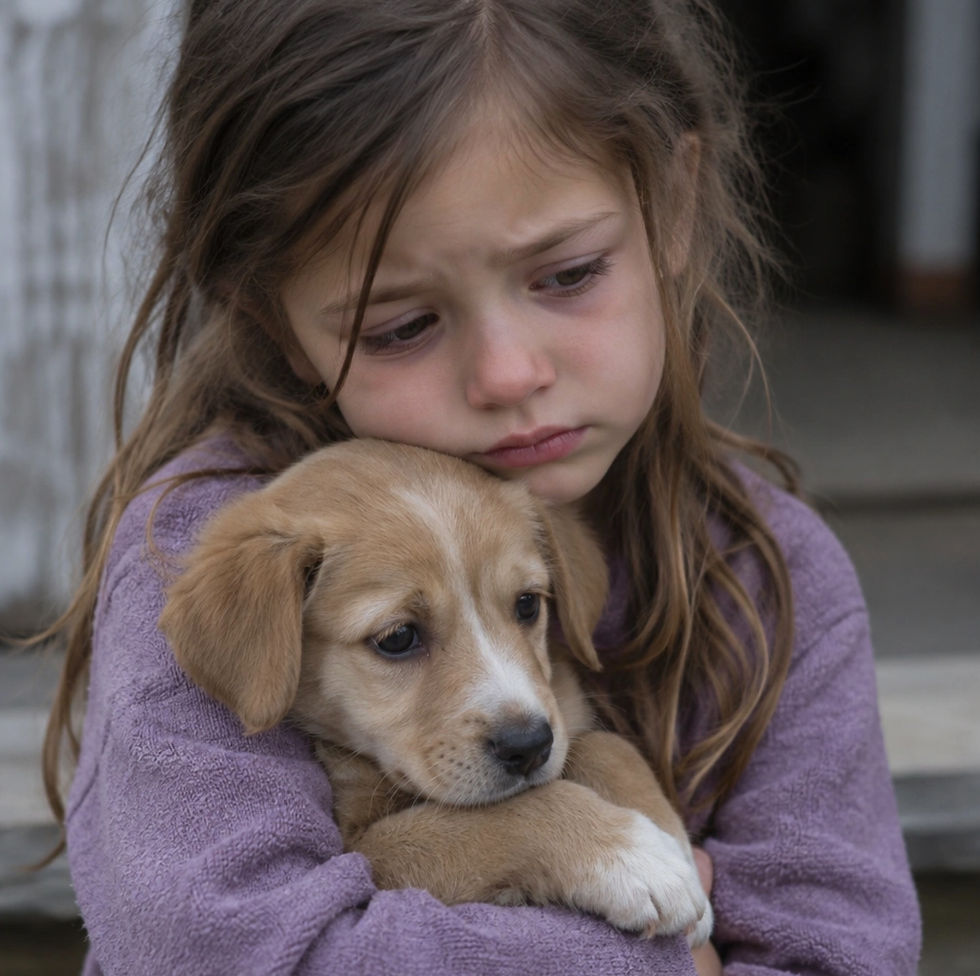
One afternoon, a little girl stood at the locked gate with her puppy.
"Mommy, why can't we go inside?" she asked.
"Because a dog club says we can't."
"Do they own the park?"
"No, sweetheart."
"Did they buy it?"
"No."
"Are they having a dog show today?"
"No."
"Then why is it locked?"
Her mother had no answer.
The little girl looked at the empty park, then at the sign identifying it as a public recreational facility.
Finally, she asked:
"If it's a public park, why does the public need permission?"
And with that one question, a child exposed the absurdity that an entire city government had somehow failed to resolve.
The Moral of the Story
An agreement allowing a private organization to use a public park is not the same as giving that organization ownership of the park.
A private club can have its events. It can have its members. It can have its traditions.
But when a public facility is locked away for the convenience of a handful of private users—while the community that owns it is excluded—something has gone terribly wrong.
Public property should serve the public—not become a private privilege controlled by whoever happens to hold the key.
Written by Darrell Jett, Bonita resident and horse owner | October 20, 2026


Comments